EACC targets money laundering to remove Kenya from global crime watchdog’s grey list
Kenya’s EACC will fast-track money laundering investigations and asset recovery, seeking delisting from the FATF grey list after filing record recovery suits and boosting convictions.
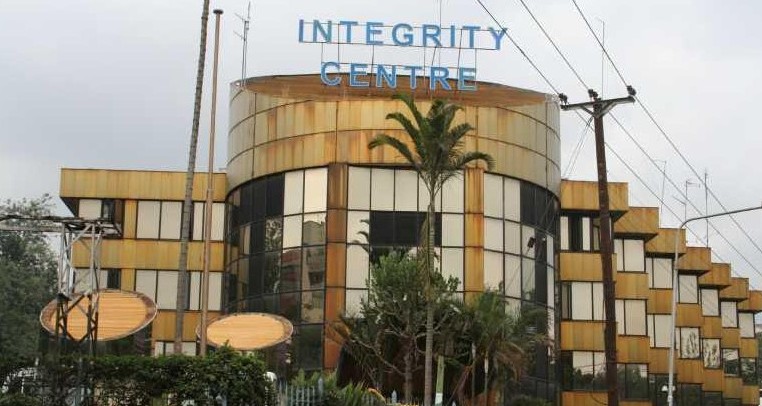
The Ethics and Anti-Corruption Commission (EACC) will intensify its focus on reported cases of money laundering as part of efforts to have Kenya removed from the Financial Action Task Force (FATF) grey list.
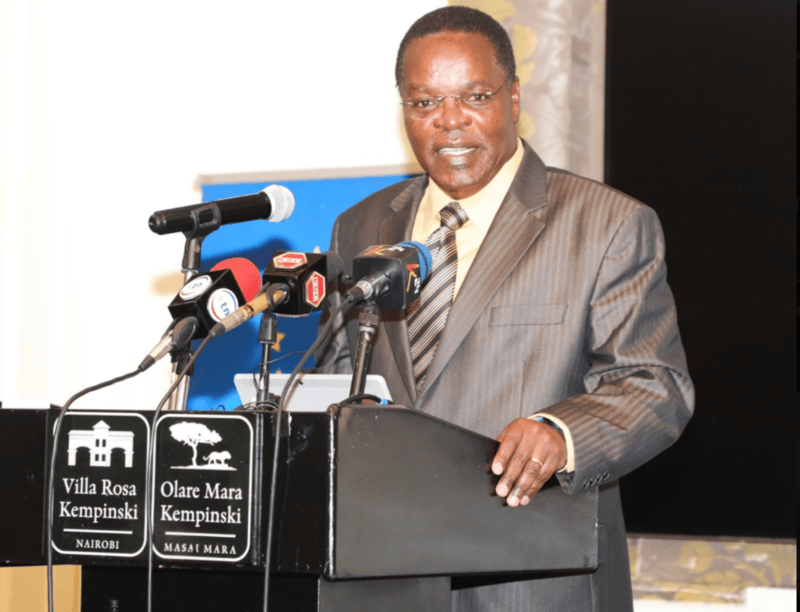
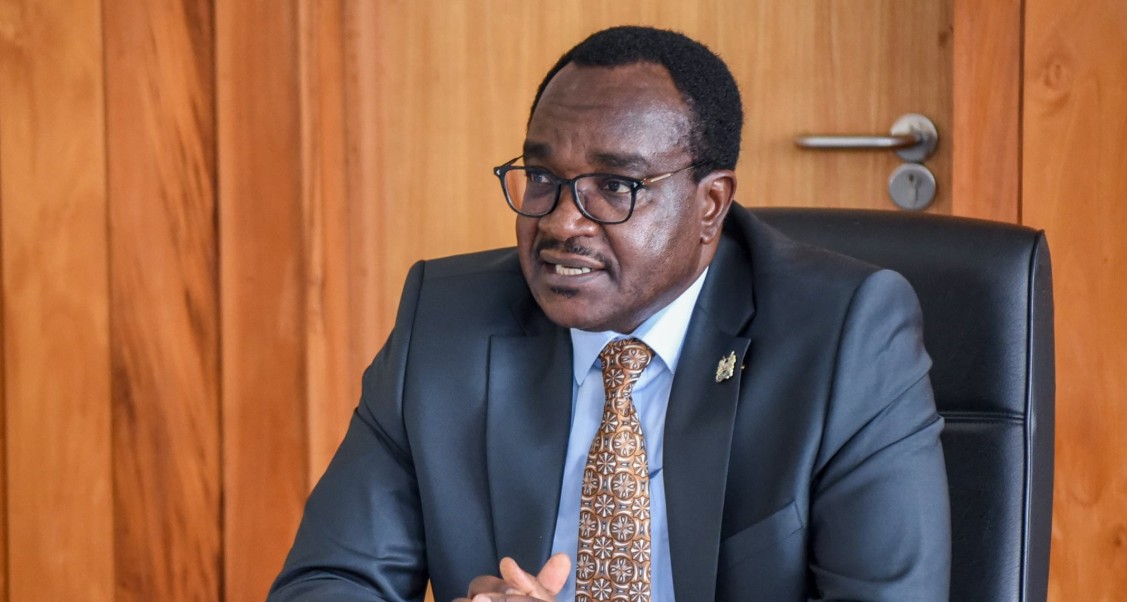
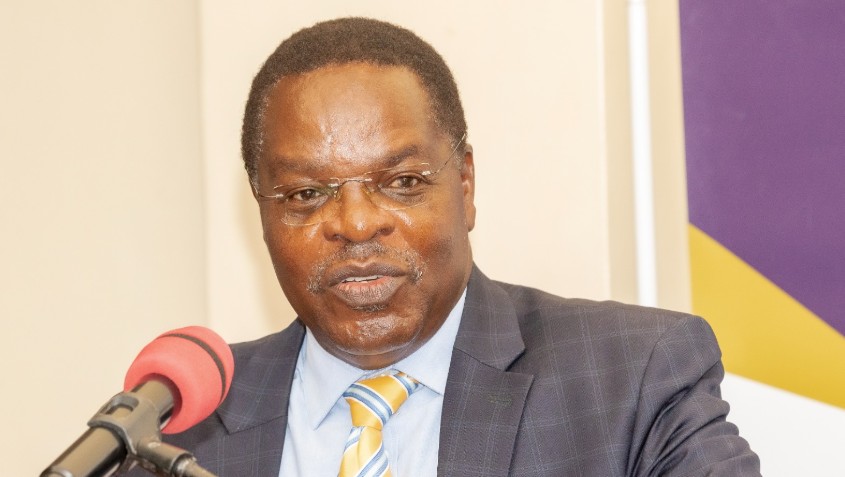
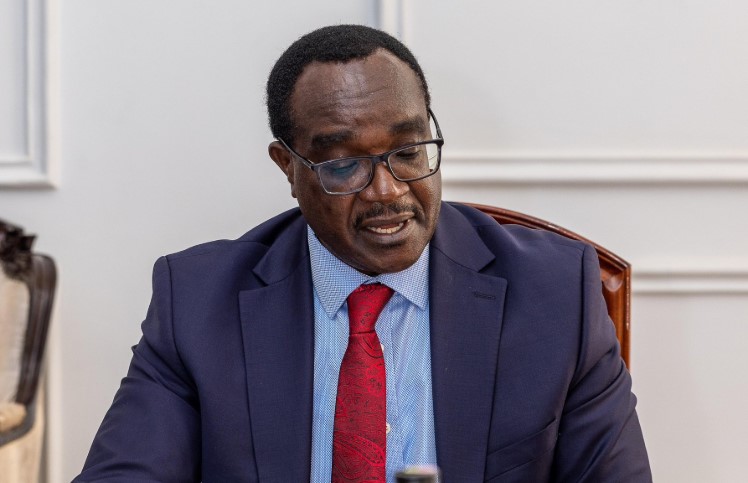
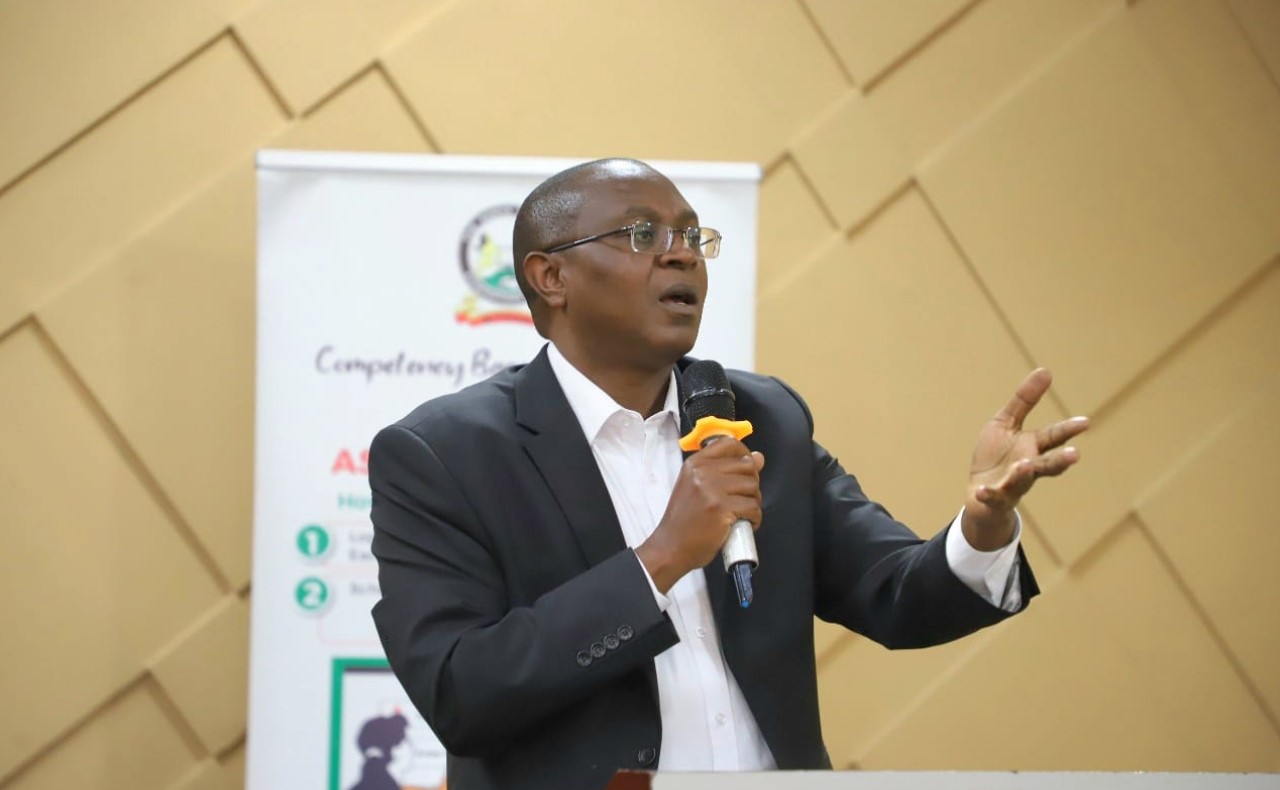
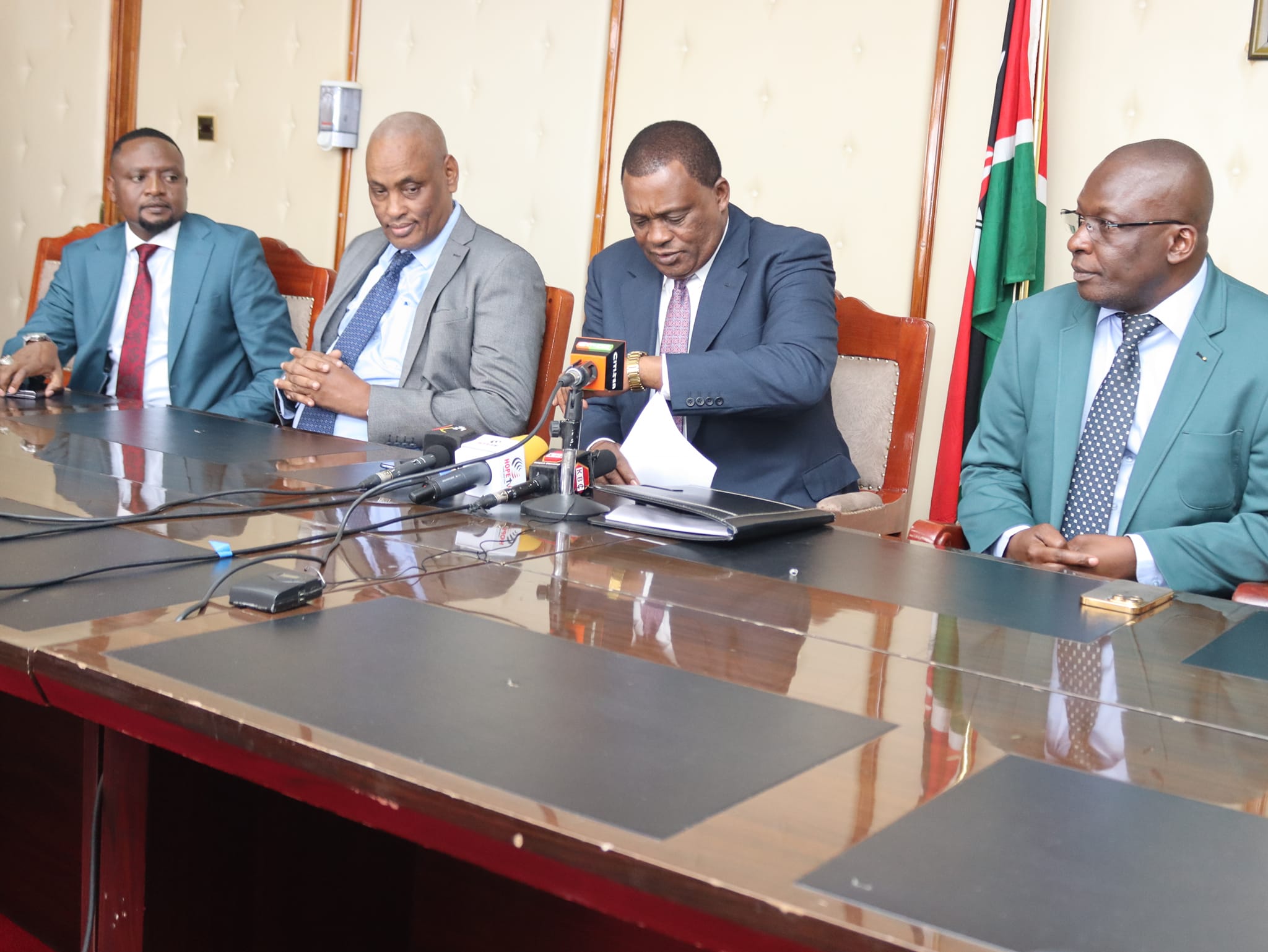
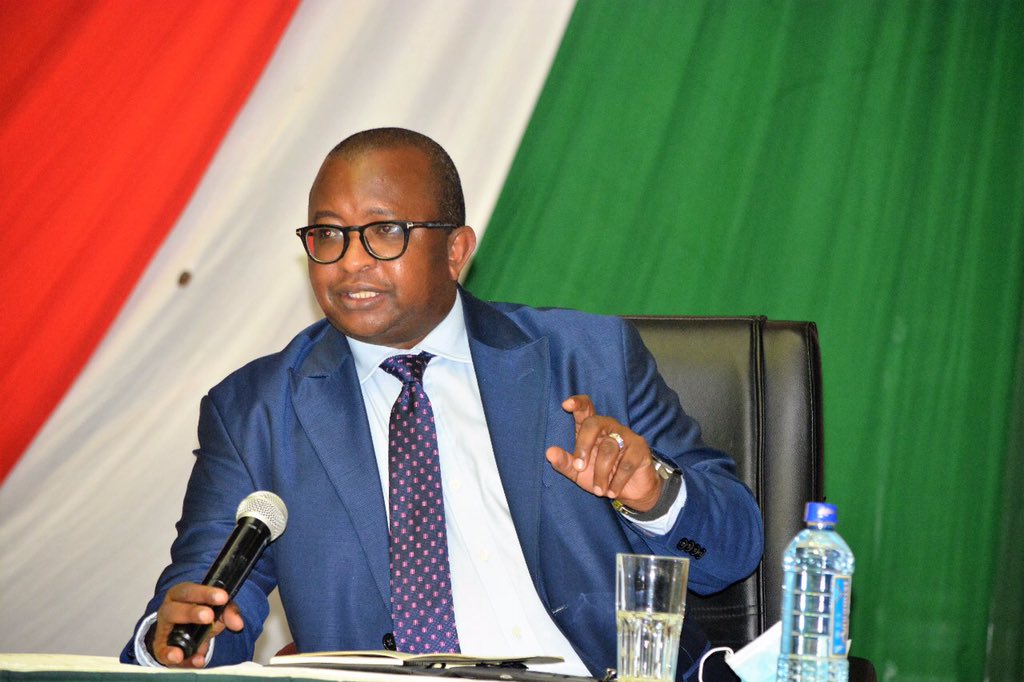
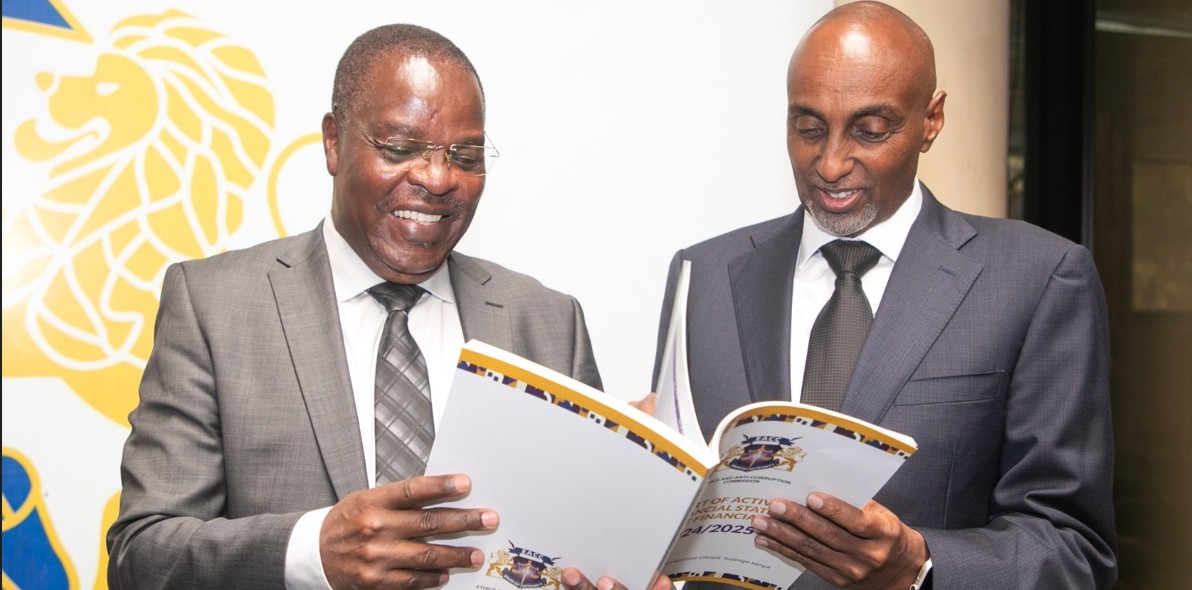
The move follows a directive issued on Monday by EACC Chief Executive Officer Abdi Mohamud, who addressed directors during the launch of the commission’s annual report in Nairobi.
More To Read
- EACC intensifies war on corruption, recovers Sh3.4 billion in assets
- EACC seeks access to mobile money data, more powers to fast–track graft cases under new bill
- EACC report exposes billions lost to corruption in state agencies, counties
- Bribery dominates EACC corruption cases, embezzlement close behind
- EACC traces Sh22.9 billion, recovers Sh3.4 billion in fight against corruption
- Illegally grabbed Mombasa land to host affordable housing units after EACC recovery
"It is important to point out, the current implementation cycle (FY 2025/2026) comes at a pivotal moment, when there's a heightened call for the country to strengthen its Anti-Money Laundering/Counter Terrorist Financing (AML/CFT) interventions to facilitate delisting from the FATF Grey List. This places an enormous responsibility on the Commission, especially on matters of money laundering. I, therefore, urge relevant Directorates to fast-track investigations on all intelligence disseminations on money laundering," he said.
Strategic deficiencies
Kenya was placed on the list in February last year following claims of strategic deficiencies in combating money laundering and terrorist financing.
Meanwhile, the FY 2024/2025 annual report shows the commission filed its highest number of cases in the past five years, with 79 new suits lodged in court seeking the recovery of corruptly acquired assets.
"Through these cases, the Commission aims to recover illicit assets valued at approximately Sh4.8 billion," said Abdi.
He added that during the same period, the commission successfully recovered assets worth Sh3.4 billion, up from Sh2.9 billion in the previous year.
"This demonstrates a tangible increase in the effectiveness of our asset recovery efforts. This positive trend extends to other critical areas, including 54 cases that were finalised in court, compared to 45 in the previous year; convictions also saw a remarkable increase from 12 to 33; among others," he explained.
According to the report, bribery remained the most reported offence at 37 per cent, followed by embezzlement of public funds (19 per cent), unethical conduct (13 per cent), fraudulent acquisition and disposal of public property (10 per cent), and other economic crimes (21 per cent), including procurement fraud, abuse of office, conflict of interest and money laundering.
During the same period, the commission forwarded 175 files to the Office of the Director of Public Prosecutions and had 838 corruption and economic crime cases under active investigation.
From 166 integrity tests conducted, the commission managed to avert public losses estimated at Sh16.5 billion, the highest in recent years.
Sh22.9 billion assets
Over the same period, the anti-graft agency traced 27 assets valued at an estimated Sh22.9 billion, preserved assets worth Sh2.685 billion, filed 79 recovery suits valued at Sh4.8 billion and successfully recovered assets valued at Sh3.4 billion.
"A total of 213 corruption cases were before court, with 54 cases finalised. The courts recorded 33 convictions, 15 acquittals and 6 withdrawals, reflecting improved case quality and prosecutorial collaboration," the report adds.
The commission also issued 134 advisories, conducted 166 integrity tests, processed 33,973 self-declaration forms and carried out 2,783 integrity verifications.
"A total of 50 applicants were not cleared after integrity checks, reinforcing accountability in public service," adds the document.
As part of its graft prevention efforts, the commission scaled up public outreach, sensitising more than 93,000 citizens through market and community engagements, reaching 128,010 learners in 742 institutions across 23 counties and trained 349 members of Corruption Prevention Committees.
State officials from across the region, including MPs, intelligence officers and infrastructure managers, received training on ethics, leadership and governance.
The commission also conducted major systems audits at the Kenya Power & Lighting Company (KPLC), the National Social Security Fund (NSSF), the National Police Service and the Kenya Prisons Service, uncovering weaknesses in procurement, governance, service delivery and internal controls.
Top Stories Today